Best Time to Visit Uganda for Wildlife, Gorilla Trekking & Safaris
Uganda doesn’t get talked about the way Kenya or Tanzania do, and honestly, that’s part of its charm. This is a country where you can track mountain gorillas through misty forest one morning and watch lions lounge in acacia trees the next afternoon. Few places on the continent pack in that kind of variety, which is exactly why so many travellers end up asking the same question before they book anything: What’s actually the best time to visit Uganda for wildlife, gorilla trekking & safaris?
It’s a fair question and a confusing one. Some blogs tell you to avoid the rainy season entirely. Others say it doesn’t matter at all. Neither answer is quite right. The truth is that timing depends on what you’re chasing — a classic game drive, a chimp trek through Kibale, a birdwatching trip, or that once-in-a-lifetime hour with a gorilla family in Bwindi.
When researching the best time to visit Uganda, many travellers compare official park information, conservation resources, and insights shared by experienced local safari operators. Companies such as Forever Africa Safari are often part of that research process because they work within Uganda’s national parks and seasonal travel patterns, helping visitors better understand how weather can influence wildlife viewing, gorilla trekking, and overall safari experiences.
This guide isn’t pulled from a template. It’s built around how Uganda’s weather actually behaves month to month and how that plays out on the ground — muddy trails, clear skies, quiet parks, packed lodges, all of it. Whether you’re planning your first of many Uganda tours or comparing safaris in Uganda against other East African options, by the end of this guide you’ll know exactly which months suit your travel style.
Why Timing Matters When Planning a Uganda Adventure
Uganda’s Climate at a Glance
Uganda sits almost directly on the equator, so don’t expect four distinct seasons like you’d get in Europe or North America. Instead, the country cycles through two dry seasons and two rainy seasons each year, and temperatures stay fairly consistent — usually somewhere between 20°C and 28°C depending on where you are.
Read More: Your Sherpa-Led Expedition Through the Everest Three High Passes
That “where you are” part matters more than most people expect. The Rwenzori foothills and Bwindi’s highlands run noticeably cooler, sometimes dipping into the low teens at night, while the savannah plains of Murchison Falls or Kidepo stay warm year-round. Pack for both if your itinerary covers multiple regions.
How Weather Affects Wildlife Experiences
Rain doesn’t ruin a Uganda trip, but it does change it. During wetter months, vegetation thickens and animals have more cover, which can make spotting them slightly harder. Roads in some parks get slick, and gorilla trekking trails turn muddy and steeper underfoot. On the flip side, dry months bring clearer game drives, easier hikes, and sharper photos — but also bigger crowds and higher prices. None of this makes one season “bad.” It just changes what you should expect and how you prepare.
Best Time to Visit Uganda for Wildlife, Gorilla Trekking & Safaris
Dry Season (June to August)
This is peak season, and for good reason. Trails are firmer, wildlife gathers around shrinking water sources, making game drives more rewarding, and the Rwenzori and Virunga ranges are often visible without a blanket of cloud. If gorilla trekking in Uganda is the centerpiece of your trip, June through August is when hiking conditions are at their friendliest — less mud, more grip, and far less risk of a rained-out day. Because it lines up with the Northern Hemisphere summer holidays, expect busier lodges and permits selling out faster, so Uganda Gorilla Trekking bookings in this window really do need to happen early.
Dry Season (December to February)
The second dry stretch is arguably the most balanced time to visit. Temperatures are pleasant, humidity drops, and both wildlife viewing and trekking conditions are excellent without the peak-July crush of tourists. It’s also when a lot of families travel over the December holidays, so lodges fill up around Christmas and New Year specifically. For first-timers trying to decide between gorilla safaris in Uganda and a broader wildlife circuit, this period genuinely offers the best of both without forcing a compromise.
Visiting Uganda During the Rainy Season
March to May
This is Uganda’s longer rainy season, and it scares off more travellers than it should. Yes, trails get muddy, and some gorilla treks demand a bit more grit. But the landscape turns a vivid green that photographs beautifully, parks empty out, and accommodation prices drop noticeably — sometimes by 30% or more at upscale lodges. For birders, this is close to paradise, with migratory species overlapping with residents. If you don’t mind rain jackets and the occasional rescheduled activity, this is where the real value is.
September to November
The shorter rains bring similar upsides — quieter parks, greener scenery, still-active wildlife — without quite the same volume of rainfall as March to May. Itineraries tend to stay flexible here since afternoon showers rarely last long. This window suits travellers who want a middle ground: decent weather, fewer people, and prices that don’t sting as much.
Between these two rainy stretches, the ideal traveler is someone who prioritizes cost, solitude, and scenery over guaranteed dry trails. If that’s you, don’t let “rainy season” scare you off the itinerary.
Best Time for Gorilla Trekking in Uganda
Why Dry Months Are Preferred
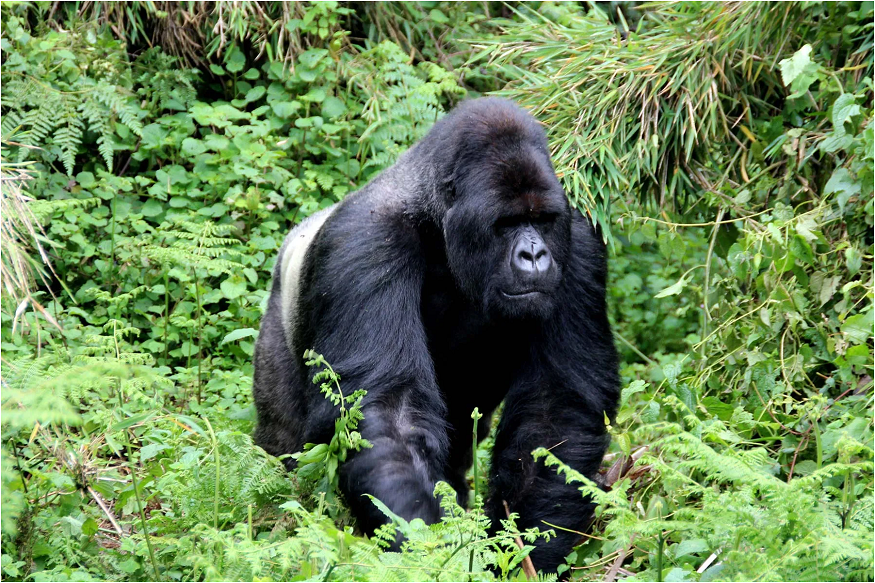
Gorilla trekking happens on steep, forested terrain, and rain turns that terrain into a genuine workout. During the dry months, trails hold up better, footing is more secure, and you’re not slipping around with a camera bag on your back. Lighting through the canopy is also better for photography, which matters a lot once you’re finally face-to-face with a silverback. If comfort and image quality are priorities, gorilla trekking in Uganda in a trip scheduled for June–August or December–February will feel noticeably easier than one booked in April.
Can You Go Gorilla Trekking Year-Round?
Yes — and this surprises a lot of people. Gorilla permits are issued all year, and the gorillas themselves don’t migrate or disappear during the rains. A gorilla safari in Uganda booked in the “wrong” season still delivers the same encounter; you’ll just be dealing with muddier boots and a slower pace. Realistically, trekking success rates stay high regardless of month. The rain affects your comfort more than your chances.
Best Time for Wildlife Safaris in Uganda
Top National Parks for Game Viewing
Queen Elizabeth National Park rewards dry-season visits with concentrated wildlife around the Kazinga Channel, though tree-climbing lions in Ishasha can be spotted year-round.
Murchison Falls National Park offers strong game viewing regardless of season, but dry months make the northern game tracks far more accessible.
Kidepo Valley National Park, Uganda’s wildest and most remote park, is best visited in the dry months when roads into the region are passable and predator sightings spike near remaining waterholes.
Lake Mburo National Park, being smaller and drier overall, stays reliably good for safaris in Uganda throughout the year, making it a solid rainy-season backup.
Each park has its own rhythm, so pairing the right park with the right month makes a bigger difference than people assume when planning multi-stop Uganda tours.
Best Time for Chimpanzee Tracking
Kibale Forest National Park
Kibale holds one of the highest densities of primates in Africa, and chimp tracking here is possible year-round with strong success rates. Dry months make forest floors easier to navigate and produce cleaner photos, but the canopy stays dense enough in wetter months that chimps are still very much active and visible. If chimp tracking is your main goal rather than gorillas, you have more scheduling flexibility here than almost anywhere else in the country.
Best Time for Birdwatching in Uganda
Uganda is a genuine bird lover’s country, with over 1,000 recorded species. Migratory birds from Europe and North Africa arrive between November and April, overlapping with Uganda’s resident species and creating some of the richest birding windows on the continent. The wetter months, somewhat counterintuitively, are prime time — insects boom, food is abundant, and birds are more active and vocal. It’s one of the few areas of travel planning here where rain genuinely works in your favor.
Month-by-Month Uganda Travel Guide
January – Dry, warm, and busy with post-holiday travelers; strong wildlife viewing across most parks.
February – One of the driest months; excellent trekking conditions and fewer crowds than January.
March – Rains begin building; still workable for safaris, though trekking gets muddier by the end of the month.
April – The wettest month overall; budget travellers find some of the year’s best deals.
May – Rain tapers off gradually; landscapes turn lush, and birdlife is exceptional.
June – Dry season kicks in properly; peak safari conditions return.
July – Arguably the best month for pure wildlife viewing, with clear skies and active game.
August – Ideal gorilla trekking conditions with firm trails and good visibility.
September – A genuine shoulder season — good weather, thinner crowds, and better rates.
October – Fantastic for birdwatching and photography as migratory species remain present.
November – Rains return, though usually in short, manageable bursts.
December – The holiday season brings dry weather and some of the year’s best all-round safari experiences.
Choosing the Right Season Based on Your Travel Style
If You Want the Best Wildlife Viewing
Aim for June–August or December–February. These windows consistently deliver the clearest game drives and most active wildlife.
If You Want Better Prices
March–May and October–November bring lower lodge rates, thinner crowds, and more room to negotiate custom itineraries.
If Gorilla Trekking Is Your Main Goal
Stick to the dry months where possible, and book Uganda gorilla trekking permits well ahead of time—availability during June–August and December–February disappears fast, sometimes months in advance.
Uganda Safari Packing Tips by Season
Regardless of when you go, a few items earn their space in every Uganda packing list: sturdy waterproof hiking boots for forest trekking, a lightweight rain jacket (even in “dry” season, sudden showers happen), and breathable layers since mornings can be chilly while afternoons warm up quickly. Camera gear should include a dry bag or rain sleeve, especially if you’re visiting March–May or September–November. Insect repellent and long sleeves matter in every season, and a good daypack for gorilla permits, water, and snacks is non-negotiable on trekking days.
Practical Travel Tips Before Visiting Uganda
Book gorilla permits early — sometimes 4 to 6 months ahead for peak season — since only a limited number are issued per park each day. Yellow fever vaccination is mandatory for entry, and a basic travel health check before departure is smart practice. Cash still rules in rural areas, so carry US dollars alongside a local SIM for mobile money. Hiring an experienced local guide dramatically improves both safety and wildlife sightings, and a 4×4 with a good driver is worth every cent on rougher park roads. Don’t skip travel insurance that covers trekking activities, and travel responsibly by supporting community-run lodges and following park guidelines closely — Uganda tours built around sustainable tourism keep these parks healthy for the long run.
Common Mistakes Travellers Make When Choosing Travel Dates
A surprising number of trips get derailed by avoidable planning errors: booking gorilla permits at the last minute during peak months, assuming rainy season means a ruined trip, ignoring how much regional elevation changes the weather, packing cotton instead of quick-dry fabrics, and underestimating just how physically demanding gorilla trekking can be regardless of season. Fixing these before you land saves a lot of frustration once you’re actually on the trail.
Is Uganda Worth Visiting All Year?
Honestly, yes. Every season brings something different to the table — dry months for comfort and clarity, wet months for value and scenery. Wildlife doesn’t disappear when the rain starts, and gorilla families don’t pack up and leave. The “perfect” month really depends on what you personally want out of the trip: cheaper rates, fewer people, easier trails, or peak wildlife activity. There’s no wrong answer here, just a better fit for your priorities.
Conclusion: Best Time to Visit Uganda for Wildlife, Gorilla Trekking & Safaris
At the end of the day, choosing the best time to visit Uganda for wildlife, gorilla trekking & safaris comes down to matching the season to what matters most to you. Want peak wildlife action and firm trekking trails? June–August and December–February deliver. Chasing lower prices, quieter parks, and greener scenery? The rainy months from March to May and September to November are worth serious consideration.
Whatever time of year you choose, Uganda remains one of Africa’s most rewarding safari destinations, offering unforgettable wildlife encounters in every season. Planning around your interests—whether that’s gorilla trekking, classic game drives, birdwatching, or chimpanzee tracking—will always have a greater impact than simply choosing the driest month. As you compare itineraries and travel information, resources from experienced local operators such as Forever Africa Safari can provide additional context about seasonal conditions, park logistics, and responsible travel practices, helping you make informed decisions before your journey begins.
SEO-Friendly FAQs
What is the best month for gorilla trekking in Uganda?
June through August and December through February offer the driest, most comfortable trekking conditions with firmer trails and clearer visibility. That said, gorilla trekking runs year-round, and permits remain available in every month, so travellers on a tighter schedule shouldn’t feel locked out of the experience.
Is Uganda better to visit during the dry season or rainy season?
The dry season delivers easier wildlife viewing, firmer trekking trails, and better photography conditions but comes with higher prices and bigger crowds. The rainy season offers lush scenery, thinner crowds, and noticeably better rates, along with excellent birdwatching. Neither season is objectively “better” — it depends on whether you prioritize comfort or value.
Can you do a gorilla safari in Uganda during the rainy season?
Absolutely. A gorilla safari in Uganda operates every month of the year, rain or shine. Trails will be muddier and the hike a bit more demanding, but sightings and permit availability remain strong, and many travellers actually enjoy the quieter forests and lower rates that come with the wetter months.
Which national park is best for wildlife safaris in Uganda?
It depends on what you’re after. Queen Elizabeth National Park is known for tree-climbing lions and channel boat safaris; Murchison Falls offers dramatic scenery alongside strong game numbers; Kidepo Valley delivers remote, wild landscapes with excellent predator sightings; and Lake Mburo is a reliable, compact option that stays accessible even in wetter months.
How far in advance should I book Uganda gorilla trekking permits?
For peak months like June–August and December–February, book 4 to 6 months ahead at minimum, since only a limited number of permits are released daily per park. Early planning matters just as much for Uganda gorilla trekking as it does for securing good lodge availability, especially if your trip also includes broader gorilla safaris in Uganda across multiple parks.