Manaslu Circuit Trek: Complete Guide to the Manaslu Tsum Valley Trek, Larke Pass Trek & Larke Peak Climbing Adventure
If you’ve spent any time researching Himalayan trekking, you’ve probably noticed the same problem everyone else runs into: the classic routes are packed. Everest Base Camp and the Annapurna Circuit are stunning, sure, but you’re sharing the trail with hundreds of other trekkers, and the teahouses book out weeks in advance during peak season. That’s exactly why so many experienced trekkers are now turning to the Manaslu Circuit trek instead — a route that delivers the same jaw-dropping mountain scenery without the crowds.
Tucked alongside it is the Manaslu Tsum Valley trek, a side journey into one of the last untouched pockets of Tibetan Buddhist culture left in Nepal. Then there’s the crossing of Larke Pass trek, widely considered one of the toughest and most satisfying high-altitude crossings in the entire Himalayan trekking circuit. And for those who want to push things a step further, Larke Peak climbing offers a genuine mountaineering challenge right at the end of the trek.
This guide walks you through everything — routes, permits, costs, difficulty, best seasons, itinerary, and packing — so you can plan this trip properly instead of piecing it together from forum posts.
Why the Manaslu Circuit Trek Has Become Nepal’s Most Rewarding Trek
There’s a reason seasoned trekkers keep coming back to the Manaslu Circuit trek. It’s remote in a way that Everest and Annapurna just aren’t anymore — you’ll walk through villages where mule trains still carry supplies and where teahouse owners actually have time to sit and chat with you. The trail winds through Gurung and Tibetan settlements, past prayer wheels and mani walls, before climbing into high alpine terrain near the base of Mount Manaslu, the world’s eighth-highest peak.
Read More : Your Sherpa-Led Expedition Through the Everest Three High Passes
What really sets this trek apart is the variety packed into roughly two weeks: subtropical forest at the start, terraced farmland midway, and stark glacial landscapes by the time you approach the Larke Pass trek. Add in the restricted-area status (which naturally limits numbers) and you get a trekking experience that feels genuinely earned, not manufactured for tourism.
What Makes the Manaslu Tsum Valley Trek So Special?
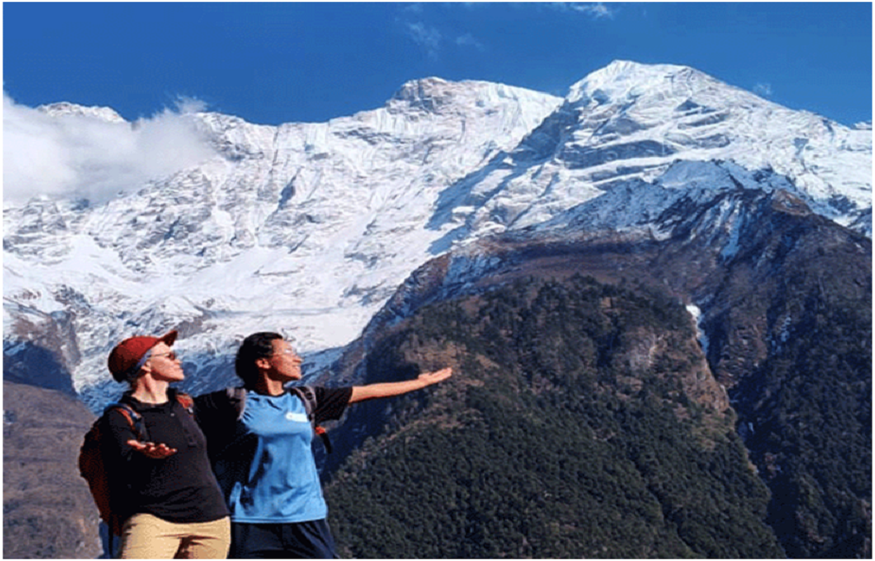
Locals often call it the “Hidden Valley of Happiness,” and once you’re there, it’s easy to see why. The Manaslu Tsum Valley trek branches off the main circuit and leads into a valley that was closed to outsiders until 2008. Ancient monasteries like Mu Gompa and Rachen Gompa still function as active spiritual centers, not tourist attractions, and the villages here have preserved a Tibetan way of life that’s largely disappeared elsewhere.
Walking through Tsum, you’ll pass chortens, carved mani stones, and fluttering prayer flags against a backdrop of snow peaks — it has a stillness to it that’s hard to describe until you’ve felt it yourself. Keep an eye out for blue sheep and, if you’re lucky, signs of snow leopard in the higher reaches. Pairing this side trip with the Manaslu Circuit trek turns a great trek into something closer to a full cultural immersion, since you get both the mountain drama of the main route and the quieter, deeply spiritual detour into Tsum.
Larke Pass Trek — The Highest and Most Exciting Part of the Journey
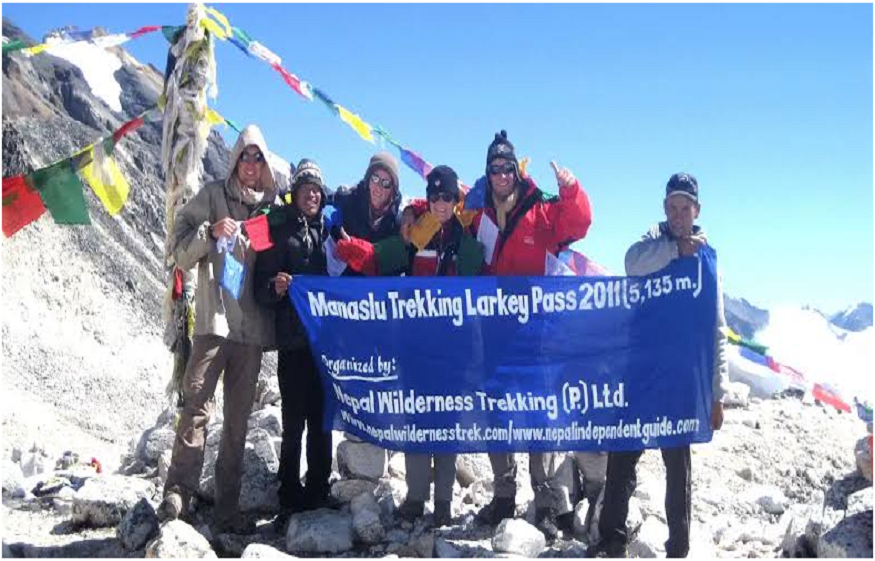
At 5,106 meters, the Larke Pass trek is the single toughest day of the entire circuit, and honestly, it’s the day most people remember most vividly. You’ll set off before dawn — usually around 4 or 5 a.m. — so you can cross the pass while the snow is still firm and the winds haven’t picked up yet. The climb up is slow and cold, but the payoff is enormous: sweeping views of Himlung Himal, Cheo Himal, and the Annapurna range unfolding as the sun comes up over the glaciers.
The descent on the other side is steep and can be slippery with ice, so trekking poles and proper boots aren’t optional here. This is also the point in the trek where altitude sickness risk is highest, so pacing yourself, staying hydrated, and listening to your guide matters more than on any other day. Difficult as it is, crossing this pass is why most people say the Manaslu Circuit trek feels like a genuine achievement rather than just a long walk.
Larke Peak Climbing for Trekkers Ready for a Bigger Challenge
For trekkers who want more than just crossing the pass, Larke Peak climbing is worth considering. Larke Peak sits close to the pass itself and offers a relatively accessible introduction to Himalayan mountaineering — though “accessible” is relative, since you’re still dealing with glacier travel, crevasses, and fixed ropes on the summit push.
Unlike the trek itself, this requires basic climbing skills: using crampons, an ice axe, and a harness, along with some prior experience on snow or ice if possible. You’ll need a certified climbing guide (not just a trekking guide), plus gear like a climbing helmet, ascender, and proper mountaineering boots. The difference between trekking the Larke Pass trek and actually climbing Larke Peak is significant — one is a strenuous walk, the other is technical mountaineering — so this option really suits trekkers with some prior high-altitude or ice-climbing exposure, not complete beginners.
Best Time for the Manaslu Circuit Trek and Larke Peak Climbing
Spring Season
March through May brings rhododendron forests bursting into bloom across the lower trail, along with generally stable weather. This is also considered the better window for Larke Peak climbing, since snow conditions tend to be more predictable for summit attempts.
Autumn Season
September through November is the most popular stretch for the Manaslu Circuit trek, and for good reason — skies are clear, trails are dry, and mountain views are about as good as they get in Nepal.
Winter (December–February) is possible but brutally cold at altitude, and the pass can close after heavy snowfall. Monsoon season (June–August) brings leeches, landslides, and obscured views, so most trekkers avoid it entirely.
Trek Difficulty, Altitude, and Fitness You Should Know
This isn’t a beginner’s trek, and it’s worth being honest about that upfront. You’re looking at 5–7 hours of walking most days, sometimes more, with the maximum elevation hitting 5,106 meters at the Larke Pass trek crossing. Altitude sickness is a real concern above 3,500 meters, so proper acclimatization days are built into any sensible itinerary.
Physically, you don’t need to be an elite athlete, but you should be comfortable walking consecutive long days with a daypack. Mentally, it helps to have done at least one multi-day trek before tackling something at this altitude — the Manaslu Circuit trek rewards patience and steady pacing far more than raw fitness. Previous trekking experience isn’t mandatory, but it definitely makes the whole thing feel less overwhelming.
Permits Required for the Manaslu Tsum Valley Trek
Because this region is classified as a restricted area, you can’t just show up and start walking — you’ll need several permits sorted in advance through a registered trekking agency. These include the Restricted Area Permit (RAP), the Manaslu Conservation Area Permit (MCAP), and, if you’re continuing toward Annapurna, the Annapurna Conservation Area Permit (ACAP) as well.
If you’re adding the Manaslu Tsum Valley trek, you’ll also need a separate Tsum Valley Permit. All of these require trekkers to be accompanied by a licensed guide — solo trekking isn’t allowed here, unlike more open routes such as Annapurna. It’s a bit more paperwork than your average Manaslu Circuit trek planning, but it’s also part of why this region has stayed so unspoiled.
Accommodation, Food, and Local Culture Along the Trail
Teahouses along the route are simple but generally comfortable — think basic twin rooms, shared bathrooms lower down, and thicker blankets as you climb higher. Meals are mostly dal bhat, noodle soups, momos, and Tibetan bread, with prices climbing a bit the further you get from roadheads.
Wifi and charging are available in most villages, though you’ll usually pay a small fee, and both become less reliable the higher you climb. Drinking water should always be purified or treated. What really stands out on both the Manaslu Circuit trek and the Manaslu Tsum Valley trek, though, is the hospitality — families running these teahouses often invite you in for tea and conversation, giving you a real window into Buddhist village life that you just don’t get on busier trekking routes.
Suggested Trek Itinerary for the Complete Manaslu Circuit Trek
A typical route runs Kathmandu → Machha Khola → Jagat → Deng → Namrung → Samagaun → Samdo → Dharamsala → Larke Pass → Bimthang → Dharapani → back to Kathmandu, usually spanning 14–18 days depending on your pace and acclimatization stops.
Trekkers with extra time often extend this by adding the Manaslu Tsum Valley trek as a side loop before rejoining the main trail, or by tacking on Larke Peak climbing near Larke Pass for those with mountaineering ambitions. Either extension adds several days but genuinely deepens the experience.
Essential Packing Tips Before Starting the Larke Pass Trek
Layering is everything here — temperatures swing wildly between the lower valleys and the high pass. Pack a solid down jacket, waterproof shell, thermal base layers, and a warm sleeping bag rated for at least -15°C. Sturdy, broken-in trekking boots are non-negotiable, and trekking poles will save your knees on the descent from Larke Pass trek.
Don’t skip gloves, a headlamp, a power bank, water purification tablets, and a basic first aid kit. It sounds like a lot, but every item on this list earns its place once you’re above 4,000 meters.
Why Combining the Manaslu Circuit Trek, Manaslu Tsum Valley Trek, Larke Pass Trek, and Larke Peak Climbing Creates the Ultimate Himalayan Adventure
Put all four pieces together and you get something few other treks in Nepal can offer. The Manaslu Circuit trek gives you diverse landscapes and a genuine sense of remoteness. The Manaslu Tsum Valley trek adds a cultural and spiritual layer that most trekkers never experience. The Larke Pass trek delivers the physical and emotional high point of the journey — glaciers, sunrise panoramas, and a real sense of accomplishment. And Larke Peak climbing rounds it off with an optional mountaineering challenge for those wanting more.
Throw in the wildlife sightings, the quieter trails compared to Everest or Annapurna, and the villages that still feel untouched by mass tourism, and you end up with a trip that sticks with you long after you’re home.
Final Thoughts
There’s a reason more trekkers are choosing this region over Nepal’s more famous routes. The Manaslu Circuit trek offers one of the country’s finest all-round trekking experiences, and adding the Manaslu Tsum Valley trek gives it a cultural depth that’s genuinely rare. Crossing the Larke Pass trek is tough, no question, but it’s the kind of tough that you’ll look back on with pride. And for those wanting to go further, Larke Peak climbing is a solid next step into proper Himalayan mountaineering.
If you’ve been putting off a big trek because the popular routes feel too crowded or too predictable, this region deserves a serious look. Get your permits sorted, hire a good guide, train a little beforehand, and go see it while it’s still this quiet.
Frequently Asked Questions
How difficult is the Manaslu Circuit trek for first-time trekkers?
It’s moderately to strenuously difficult — manageable for fit beginners with no prior high-altitude experience, but the days are long, and the altitude at Larke Pass makes proper acclimatization essential.
Is the Manaslu Tsum Valley trek worth adding to the Manaslu Circuit trek?
Yes, most trekkers who add it say it’s one of the best decisions they made — the monasteries and village culture in Tsum offer something the main circuit alone doesn’t.
When is the best time to cross the Larke Pass trek safely?
Early morning during autumn (September–November) or spring (March–May) offers the most stable conditions, with firmer snow and lower avalanche risk.
Do I need previous climbing experience for Larke Peak climbing?
Some prior exposure to crampons, ice axes, or basic mountaineering is strongly recommended, since the climb involves glacier travel and technical sections beyond normal trekking.
Read More : THE TRUE COST OF LUXURY: IS VIKING OR AMAWATERWAYS ACTUALLY THE BETTER VALUE IN 2026?
How many days do I need for the complete Manaslu Circuit trek with Tsum Valley?
Plan for around 20–24 days total if you’re combining both, including acclimatization days and a buffer for weather delays near Larke Pass.